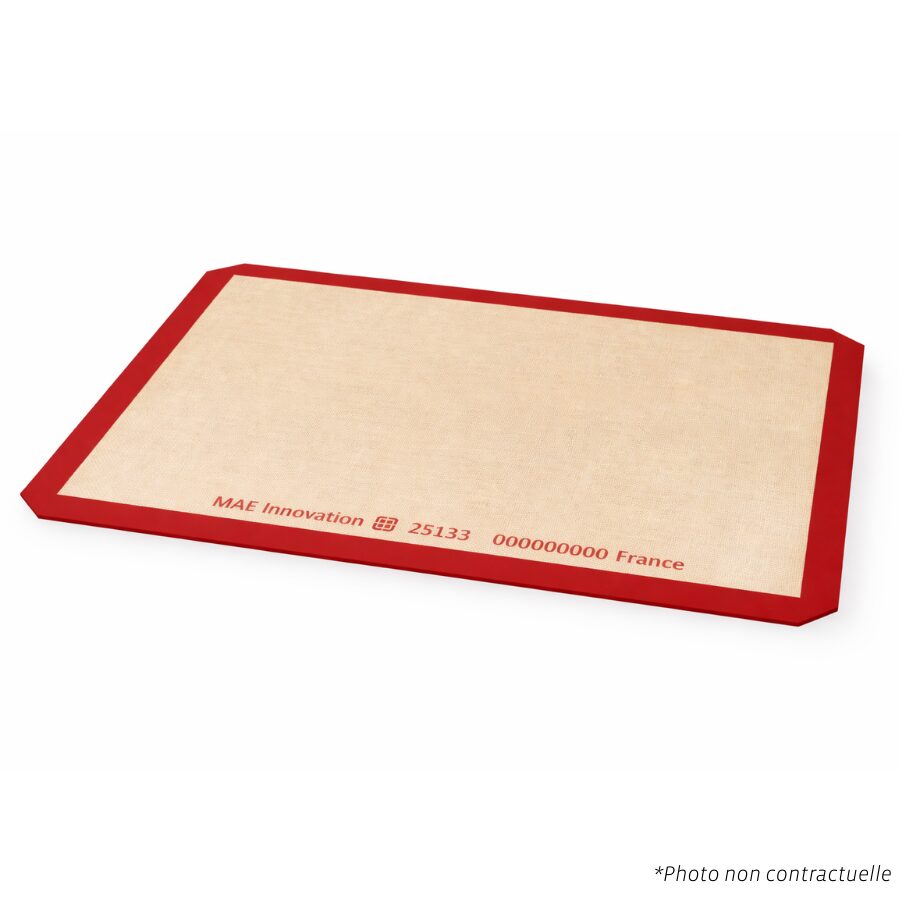

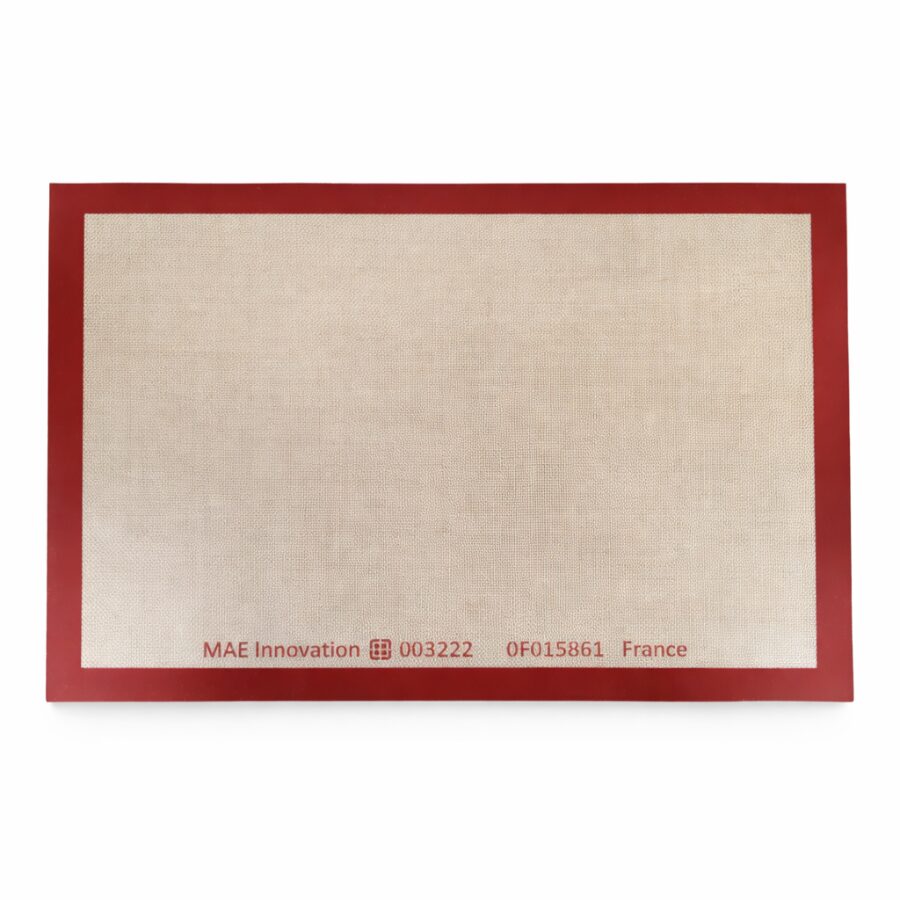


In short: a professional grade baking mat is not just a nonstick surface. Three things separate a genuinely professional mat from a consumer one: whether it is perforated to let heat and steam move through the dough, the base material and how it conducts heat, and how tightly its construction tolerances are controlled. Croissant and viennoiserie mats specifically need to manage steam and bottom heat differently than a flat mat used for cookies or tarts, which is why the same mat that works well for one application can underperform on the other. Here is what actually determines mat quality, run through the same Baking Atelier Mold Evaluation Framework we apply to every product we carry.
Why This Gets Treated As An Afterthought
Most kitchens spend real time evaluating molds and almost none evaluating mats, even though a mismatched mat can quietly undermine a product that is otherwise made correctly. A mat is easy to treat as a commodity, since most look similar in a photo. The differences only show up once product is actually on the tray.
Perforation Is The Detail That Actually Matters For Croissants
A flat, solid mat traps moisture underneath the dough as it bakes. For a lot of pastry work, that is fine, or even desirable. For laminated dough specifically, croissants, pain au chocolat, and other viennoiserie, it is a real problem. Lamination depends on distinct layers of butter and dough puffing apart cleanly during baking, and trapped steam against the bottom of the dough works against that, softening the base layers exactly where you want the most structure and crispness.
Perforated mats solve this directly. The perforations let heat and air move through and around the dough rather than pooling underneath it, which is why perforated silicone and fiberglass mats show up specifically under bread, croissants, and choux pastry in professional kitchens rather than under, say, a delicate sponge cake that benefits from gentler, more even heat. If a kitchen is using the same flat, solid mat for everything on the production line, viennoiserie is usually the product suffering most from that choice without anyone quite identifying why.
Material Still Matters As Much As It Did For Molds
Everything we covered comparing silicone and fiberglass molds applies just as directly to mats, and croissant work is actually where the distinction matters most.
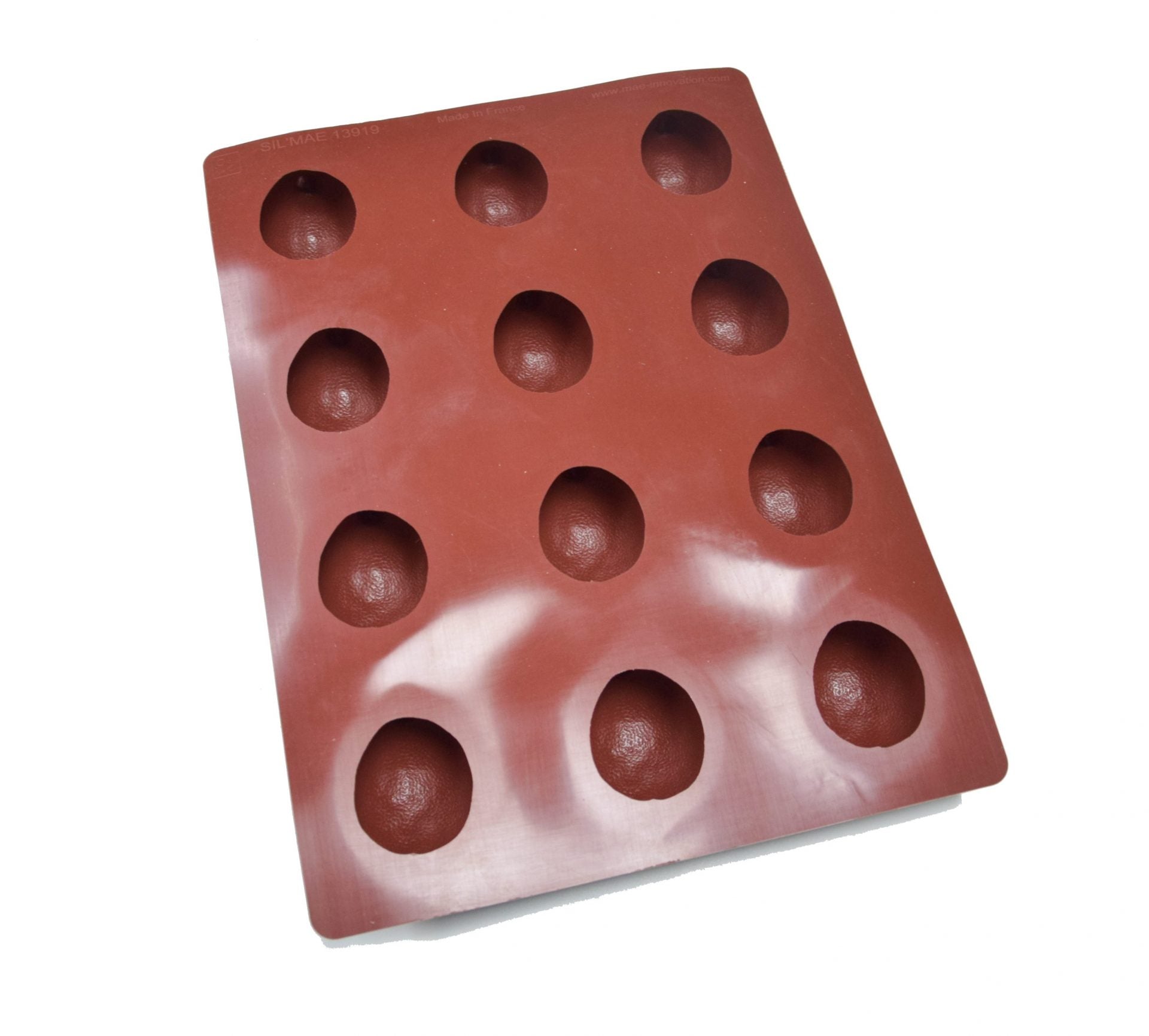
Fiberglass conducts heat more efficiently than solid silicone, which is exactly what a crisp, well browned croissant base needs. This is why our Fibermaé fiberglass line tends to be the better starting point for viennoiserie work specifically, while our Silmaé silicone collection remains the better choice for cavity molds and more delicate, insulated bakes. If you have not read our full comparison of the two materials, it goes deeper into cure type, coating, and care for both.

Some professional mats also combine both, a fiberglass base for heat conductivity with a coating layer for release, so the material question is not always a clean either or. What matters is knowing which property, insulation or conductivity, your specific product actually needs, rather than assuming one mat works equally well for everything on your line.
Sizing Is A Practical Detail Worth Confirming, Not Assuming
Professional mats are generally built to standard sheet pan dimensions, so they lay flat and fully supported rather than overhanging the edge of a pan, which itself affects even heat distribution. Before ordering a mat for a specific application, confirm it matches your actual pan dimensions rather than assuming a standard size will fit your specific oven and rack setup, particularly if your kitchen runs older or nonstandard equipment.
A Detail Almost No Supplier Will Tell You About
Maé Innovation's bakery equipment range extends beyond mats and molds into something genuinely distinctive: Sil'tip, a patented bread marking mat invented by Gilles Sicart, an expert baker and director of the Institut Technique des Métiers du Pain. Sil'tip lets a bakery mark bread with a raised, permanent design, either on top of the dough, underneath it, or used as a stencil, and it comes in six standard patterns, along with the option to have your own logo or brand mark custom made into the design.
We mention this not because it solves the croissant mat question directly, but because it says something about the manufacturer behind our standard catalog. A company whose bakery equipment includes a patented, professionally engineered branding tool, not just generic bakeware, is not a company assembling products to fill a catalog. Sil'tip is not part of our standard stocked inventory today, so it is available to source through our relationship with Maé Innovation rather than something you can add to cart directly, but it is worth knowing it exists if bread branding is relevant to your business.
Applying The Framework To Mats
Cure type and coating still matter here the same way they do for molds. A perforated mat built from platinum cured silicone or a properly coated fiberglass base will outlast a cheaper peroxide cured or unspecified coating, especially under the repeated flexing that comes from pulling a mat on and off trays daily.
Regulatory clarity still matters. Mats manufactured in France by Maé Innovation fall under the same EU food contact material regulations as our mold lines, and for PTFE coated options, the same FDA regulations covering perfluorocarbon resins apply as they do to any fiberglass product with that coating.
Traceability and real cost still matter. A mat that needs replacing every few months because the coating degraded under daily use is not actually cheaper than a better built one, even if the upfront price looked more attractive.
How To Care For Perforated Mats Specifically
Perforated mats need a bit more attention than flat ones, since the perforations themselves can trap grease and crumbs if cleaning is inconsistent.
Clean promptly rather than letting grease sit and work into the perforations, where it is harder to remove later. Hot water with a suitable degreaser, the same approach we recommend for molds, works here too.
Store flat, not folded or rolled tightly, for the same reason folding weakens silicone molds over time. A crease across a perforated mat is also more likely to crack at a perforation point than solid material would.
Inspect perforations periodically for grease buildup or residue, since a partially blocked perforation stops doing its job even if the rest of the mat looks fine.
Common Questions About Professional Baking Mats
Do I need a perforated mat for everything, or just for laminated dough? Just for applications where trapped steam works against you, primarily laminated dough like croissants, and bread that benefits from a crisp crust. Flat mats remain the better choice for many other applications, including delicate cakes and anything where a softer, more even result is what you want.
Is fiberglass always better than silicone for croissant mats? Generally yes for the specific goal of a crisp, well browned base, because fiberglass conducts heat more efficiently. Silicone still has its place for other viennoiserie applications where a gentler bake is preferred.
How do I know if a mat will fit my sheet pans? Confirm the exact dimensions against your actual pans before ordering, rather than assuming a standard size matches your equipment, especially with older or nonstandard pan sets.
What is Sil'tip, and is it something you carry? Sil'tip is a patented bread marking mat from Maé Innovation used to create a raised, permanent brand or pattern on bread. It is not part of our standard stocked catalog, but we can source it through our supplier relationship if bread branding is something your bakery wants to explore.
Next Steps
If you are trying to solve a specific problem, a soft croissant base, inconsistent browning, or a mat that is not holding up under daily use, tell us what you are actually making and we can point you to the right material and format rather than a generic recommendation. Browse our Molds and Mats collection, or reach out through our Contact page for anything outside our standard catalog, including Fibermaé mats or Sil'tip.
Our team can walk through which mat actually fits your production, not just what looks similar to what you already have.

