


In short: silicone and fiberglass are not interchangeable, even when a mold or mat looks similar in a photo. Silicone insulates, releases easily, and holds a flexible three dimensional shape, which makes it the better choice for cavity molds like financiers, entremets, and chocolate work. Fiberglass conducts heat more efficiently and stays thin and flat, which makes it the better choice for anything that needs a crisp, well browned base, viennoiserie and croissant work in particular. This guide runs both materials through the Baking Atelier Mold Evaluation Framework, the same standard we apply before agreeing to carry any product line, so you can match the material to what you are actually making rather than to whatever mat came with your oven.
Why This Comparison Gets Oversimplified
Most suppliers list silicone and fiberglass mats side by side without explaining why a kitchen would choose one over the other. That is a real gap, because the two materials behave differently in the oven, not just on the shelf, and the wrong choice does not fail loudly. It just quietly underperforms, a slightly pale crust here, a slightly softer release there, until a kitchen assumes that is simply what the product does.
The Real Difference Is Heat Transfer, Not Just Material
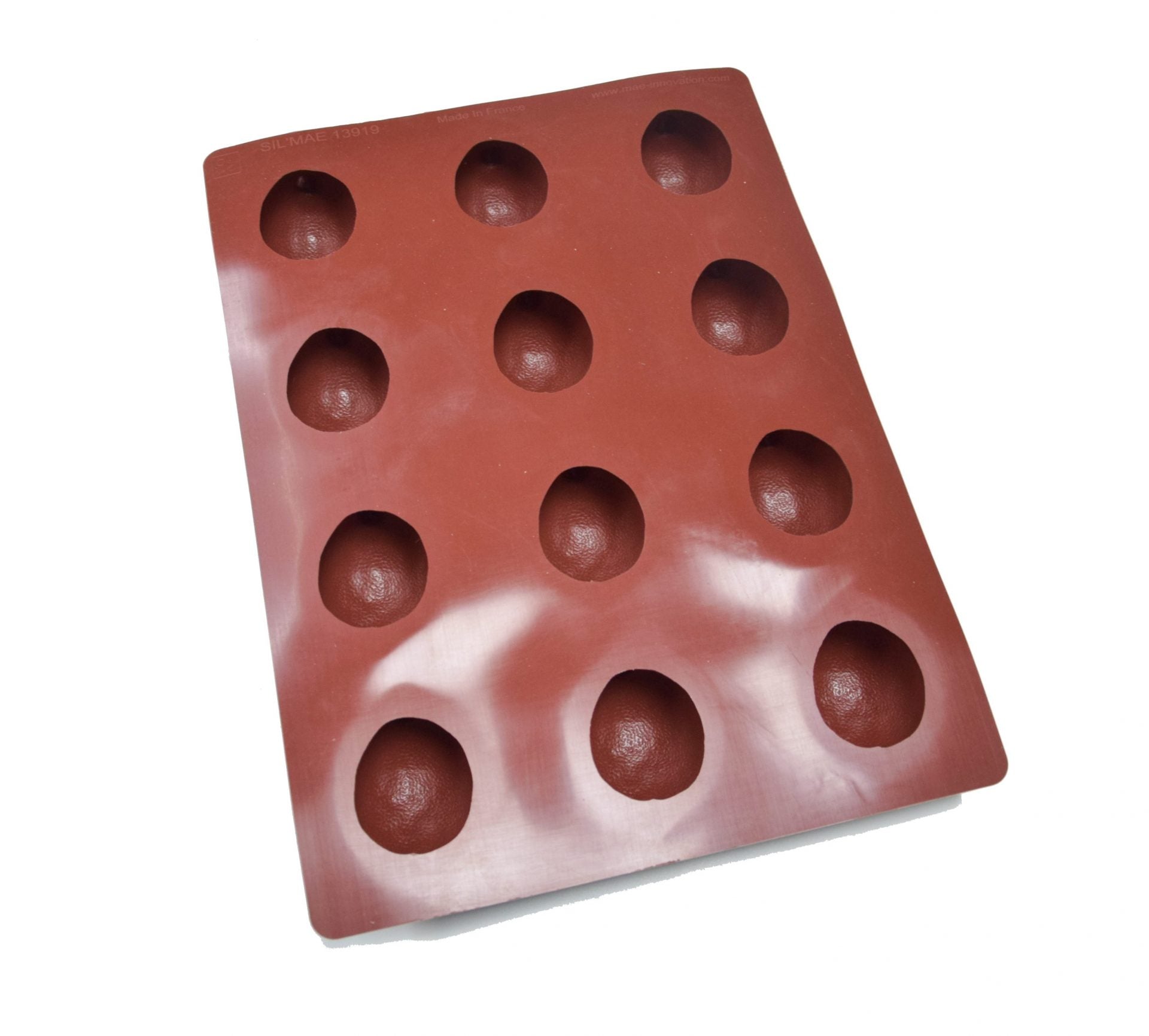
Silicone insulates. It slows down how quickly heat moves from the oven into your product, which produces a softer, more even bake and protects delicate shapes from scorching at the edges. That is exactly what you want for a financier, a delicate cake, or anything molded into a three dimensional cavity that needs to release cleanly once it sets.

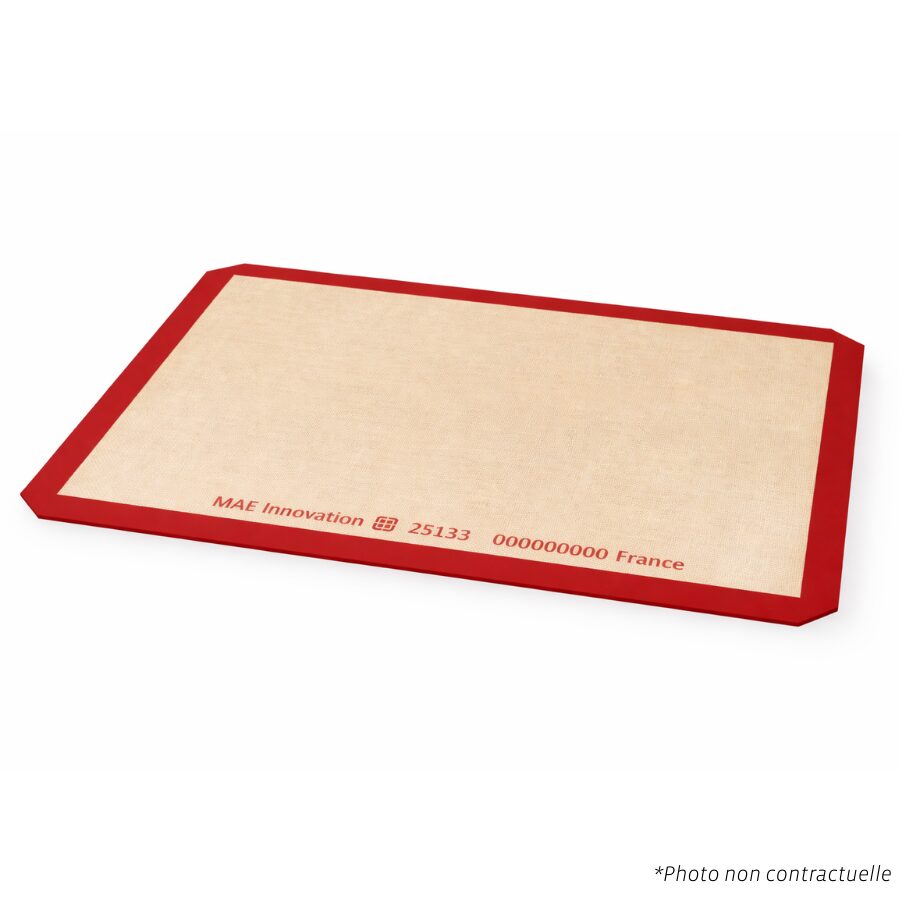
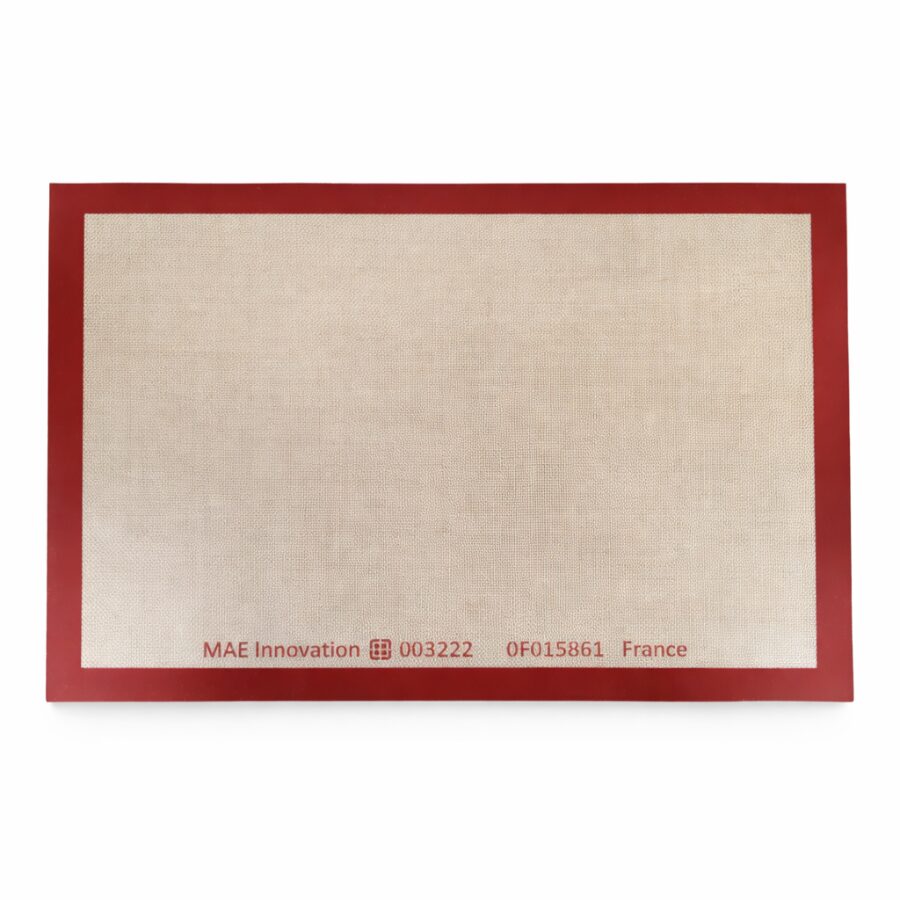
Fiberglass does the opposite. A fiberglass mat is a woven fiberglass fabric coated in either silicone or a fluoropolymer resin such as PTFE, and it conducts heat far more efficiently than solid silicone does. That efficient heat transfer is exactly why fiberglass mats produce a crisper, better browned bottom crust, which is why they show up so often under viennoiserie and croissant dough, where lamination depends on fast, even bottom heat rather than gentle insulation.
Neither material is simply better. They are built for different jobs, and choosing the wrong one for your product is a common reason bakers end up unhappy with a mat they bought based on price alone rather than on what it was actually engineered to do.
What Each Coating Actually Does
Fiberglass mats are not all built the same way, and the coating matters as much as the base fabric.

Silicone coated fiberglass behaves closest to what most kitchens already expect from a baking mat. It is flexible, generally reusable, and handles a wide range of everyday baking applications.
PTFE coated fiberglass uses a fluoropolymer resin instead of silicone as the surface layer. It offers an even slicker release, which matters for very fatty or sticky products, and it holds up well to repeated high heat cycling. This is the type of coating typically specified for demanding, high volume production use rather than occasional baking.
In the United States, perfluorocarbon resins like PTFE used in food contact applications generally fall under 21 CFR 177.1550, while resinous and polymeric coatings more broadly are addressed under 21 CFR 175.300. As with silicone, meeting a baseline food contact regulation confirms chemical safety. It does not confirm coating thickness, durability, or how many production cycles a mat will hold up before the coating starts to degrade. That distinction is worth asking any supplier about directly, not just assuming from a compliance claim on a product page.
Where The Two Materials Actually Overlap
Both materials are built to handle a fully loaded professional oven without issue. Where they can differ is on the cold end, since fiberglass and silicone are not always rated identically for deep freeze storage. If your kitchen freezes product directly on the same tray it bakes on, confirm the specific temperature rating for the exact product you are considering rather than assuming every item across a material category behaves the same way. We can confirm the precise rating for any specific Silmaé or Fibermaé product before you order.
At the high heat end, both materials perform reliably. The difference you will feel is in the result, a crisper base from fiberglass versus a more insulated, even bake from silicone, not in whether the mat or mold survives the oven.
How To Actually Calculate The Real Cost Of A Mat Or Mold
A cheaper option is not automatically the better financial decision, and comparing sticker price alone leaves out most of what actually determines cost over time.
Expected lifespan under your real production volume. A PTFE coating that degrades after a fraction of the cycles a properly rated one should handle is not a bargain, even at a lower upfront price. Ask what production volume a coating is actually rated for, not just how it performs on day one.
Waste from a mismatched material. Using silicone where fiberglass belongs, or the reverse, does not just produce a slightly different result. In a production kitchen, inconsistent browning or a base that will not release cleanly means discarded product and time spent troubleshooting a problem that was actually a material mismatch from the start.
Downtime from switching without testing first. Replacing a mat or mold across an entire line without a trial run first is the most expensive way to discover a mismatch. The testing approach below exists specifically to avoid that.
How To Care For Fiberglass Mats And Molds
Fiberglass holds up well over time, but a few habits extend its life significantly, and this is also where the Baking Atelier framework applies just as much to material handling as it does to the purchase decision itself.
Avoid mechanical stress at temperature extremes. Stretching or forcing a fiberglass mat while it is very hot or very cold is more likely to damage the coating than damage caused during normal, gentle use. Let it return closer to room temperature before handling it roughly.
Rapid transitions are generally fine. Moving a fiberglass mat quickly from a hot oven into a cold environment is something the material tolerates well, which is useful in a kitchen that does not have time to babysit cooling schedules.
Clean gently rather than scrubbing aggressively, particularly on PTFE coated pieces, since the coating itself is the working surface. Once it is damaged, performance drops even if the fabric underneath is still intact.
Matching The Material To What You Actually Make
If most of your production is cavity based, financiers, madeleines, entremets, chocolate work, anything that needs to hold a three dimensional shape and release cleanly, silicone is almost always the right call. Our Silmaé silicone line is built exactly for that, and every product in it has gone through the same evaluation we walk through in this guide before we agreed to carry it.
If your production leans toward viennoiserie, croissants, laminated dough, baguette proofing, or anything else where a crisp, evenly browned base actually matters to the finished product, fiberglass is worth specifying by name rather than defaulting to whatever mat came with your oven. Fibermaé is part of the same Maé Innovation range we work with. It is not part of our standard stocked catalog today, so we source specific fiberglass mats and molds by request rather than listing them as ready inventory, and we would rather tell you that directly than let you assume otherwise.
Many production kitchens end up running both, silicone for cavity work and fiberglass for flatwork and lamination, rather than treating it as an either or decision. If you know the specific product you are trying to replace, whether by shape, dimensions, or a previous supplier's model name, send us those details through our Contact page and we will confirm the closest real equivalent rather than a guess based on a photo.
Why We Work With Maé Innovation Specifically
Both our Silmaé and Fibermaé options come from the same manufacturer, Maé Innovation, based at their own facility in La Ville aux Dames, France, with more than twenty five years of experience producing professional molds and bakery equipment. Maé Innovation commissions an independent laboratory every year to test its products, a recurring check rather than a one time claim made once and never revisited. That is the same detail we recommend asking any supplier about directly, silicone or fiberglass, since an ongoing standard tells you more than a single past certification ever will.
Common Questions About Silicone And Fiberglass Molds
Can I use a fiberglass mat for the same recipes I use a silicone mold for? Sometimes, but the result will differ. A fiberglass mat used for a cavity shaped bake will generally brown faster and more aggressively on the bottom than the same recipe in a silicone mold, because of the difference in heat transfer.
Which material lasts longer in a high volume kitchen? Both hold up well when cared for properly. Fiberglass is generally more resistant to mechanical stress from rapid temperature swings, while silicone is easier to keep performing well with minimal maintenance.
Do I need to grease a fiberglass mat before baking? Generally no for silicone coated fiberglass, and rarely for PTFE coated fiberglass, since both are designed around a low stick surface. Very lean or unusually sticky products may still benefit from a light touch of fat.
Is FDA compliance enough to know a fiberglass coating is genuinely production grade? No, and this applies just as much to fiberglass as it does to silicone. FDA regulations under 21 CFR 177.1550 and 21 CFR 175.300 confirm the material is safe for food contact. They do not confirm coating durability or how many production cycles it will realistically hold up under. Ask for that separately.
Is Fibermaé currently in your standard stocked catalog? Not yet. We source Fibermaé fiberglass products by request through our supplier relationship with Maé Innovation rather than holding them as ready stock. If you need a specific fiberglass mat or mold, contact us directly and we will confirm availability and lead time before you order.
Next Steps
If you are unsure which material fits a specific product on your menu, start with what the recipe actually needs, insulated even baking or efficient crisping heat, rather than starting with the mat you already have on hand. Browse our Molds and Mats collection for our standard Silmaé range, or contact us directly if you need a specific Fibermaé fiberglass mat or mold sourced for your kitchen.
Our team can walk through which material fits your actual production, not just your budget. Reach out through our Contact page, and we will respond directly, with specifics, not a general reassurance.

